Chicken Road: What You're Actually Playing When You Cross the Lanes
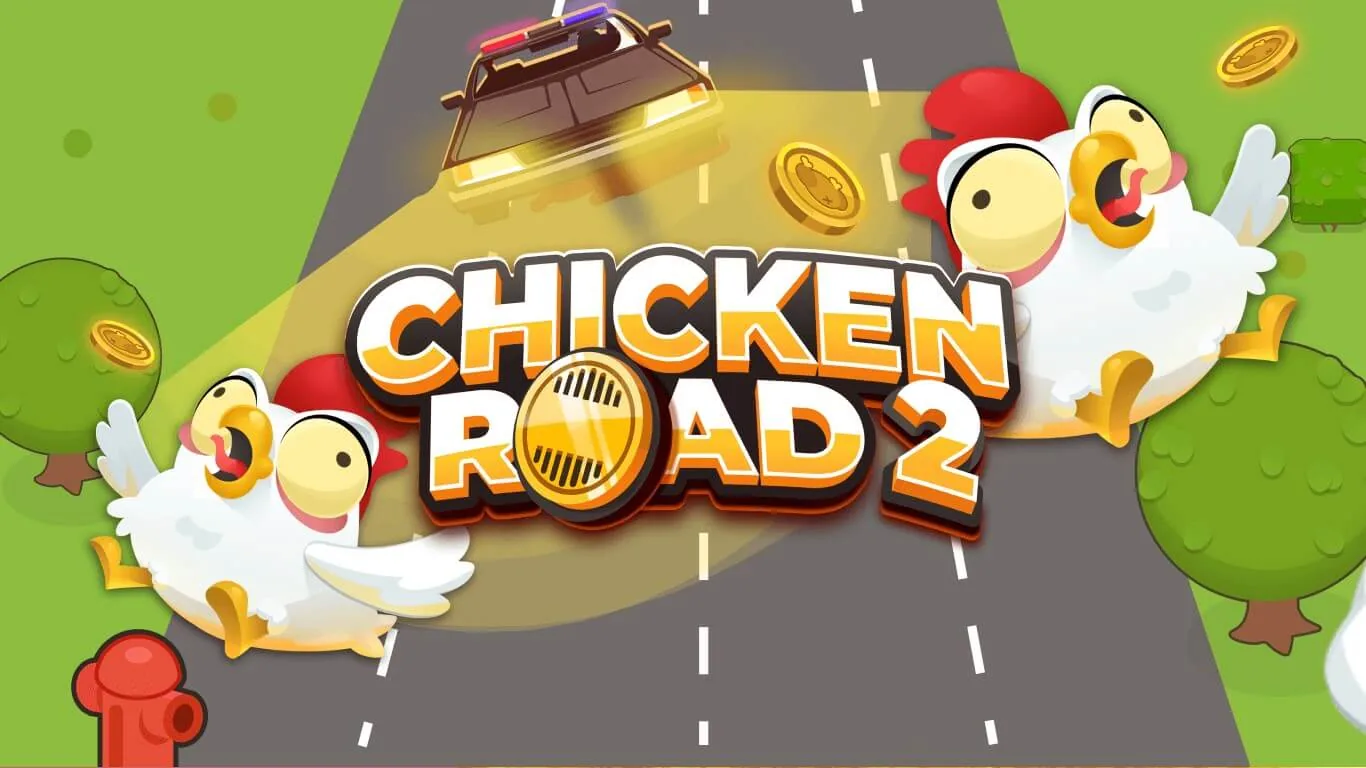
Some crash games ask you to watch a line climb. Others put you in control of something crossing a space. Chicken Road is the second type: you decide when your chicken hops forward, and you can cash out after any safe lane.
It shares DNA with games like Lucky Jet and Aviator—rising multipliers, manual cash-out, provably fair maths—but the lane mechanic changes the pace. Instead of a single ascending curve, you're making a series of small yes-or-no calls. That difference matters if you prefer staged decisions over one long hold.
How the Round Actually Works
You place a bet and pick one of four difficulty settings: Easy, Medium, Hard, or Hardcore. Each mode sets the number of lanes your chicken will attempt to cross—30 on Easy, down to 18 on Hardcore—and adjusts the probability of cars appearing.
Once the round starts, you click or tap to move the chicken forward one lane at a time. Every safe lane crossed adds to your multiplier. Cars spawn randomly; if your chicken occupies a lane when a car passes through, the bet is lost. You can cash out at any point before a collision, locking in the current multiplier.
The multiplier grows in small increments with each successful hop, so a full crossing of all lanes on Hardcore will yield a much larger payout than stopping halfway through Easy mode. The trade-off is obvious: fewer lanes means higher risk per hop, and Hardcore gives you less margin for luck.
Stake Limits and What They Mean in the UK
InOut lists the bet range in dollars: $0.12 to $200, with a maximum win of $20,000. Converted to pounds at current rates, that's roughly £0.10 to £170 per round, with a ceiling around £17,000.
Those figures matter less than the UKGC stake caps. Any UKGC-licensed site will enforce a £5-per-spin limit on slots for players 25 and over, and £2 for those aged 18 to 24. Chicken Road isn't technically a slot, but many operators apply the same cap to crash and instant games to stay consistent. Check the bet panel before you start—if the maximum is capped below £170, that's the operator's compliance layer, not the game itself.
The £17,000 max win is also a ceiling set by the provider's configuration. In practice, you'll hit your own deposit limit, session budget, or the operator's affordability threshold long before you approach that figure. Affordability checks kick in from £150 net deposits per month, and they escalate quickly if you're putting in more.
Volatility, RTP, and What the Maths Actually Tell You
InOut has not published an RTP figure for Chicken Road, which is unusual but not unheard of in the instant-game category. Without an official number, you're left inferring from the structure: provably fair RNG, a difficulty ladder that clearly trades lane count for risk, and a multiplier that scales with successful crossings.
Volatility is high by design. Hardcore mode offers the steepest multipliers but the shortest runway—18 lanes means 18 opportunities for a car to end the round. Easy gives you 30 lanes, but the payout per lane is lower, so you need to cross more ground to reach the same multiplier. Either way, long streaks of safe hops are statistically unlikely, and most rounds will end in a collision before you've crossed even half the road.
That variance suits players who want quick, binary outcomes and the option to bail early. It does not suit anyone expecting steady, incremental returns. The game will cycle through losing streaks, and your balance will swing more sharply than it would in a lower-volatility slot.
Manual Play, Auto Mode, and Where the Control Sits
By default, you play manually: click to hop, click to cash out. That gives you full control over timing, but it also means you're making a decision every second or two. If you find that pace tiring or if you want to test a specific lane-count strategy, you can switch to auto mode.
Auto mode lets you set a target lane number—say, cash out after 10 safe hops—and the game will execute that plan across multiple rounds. You can also configure a stop condition based on balance thresholds or a maximum number of rounds. It's a standard feature in crash games, and Chicken Road implements it without fuss.
- Choose your difficulty level before the first bet.
- Enter your stake (within the operator's cap and your session budget).
- Click to start the round; the chicken will appear at the roadside.
- Tap to hop forward one lane. Watch for cars as they spawn.
- Click the cash-out button before a collision to lock in your multiplier.
- If you're hit, the bet is lost and the next round begins when you place a new stake.
Manual play rewards quick pattern recognition—you'll start to notice gaps in car traffic and the rough timing of spawns—but the RNG ensures that no pattern is reliable over the long run. Auto mode removes the twitch element but also removes your ability to react to what you see on screen.
What Sets This Apart from Other Crash Games
Most crash games give you a single ascending graph and a single cash-out decision. Chicken Road breaks that into a series of smaller moves. Each lane is a mini cash-out opportunity, and the rising multiplier is the sum of those smaller steps rather than a smooth curve.
The four difficulty modes are another differentiator. Games like Aviator or JetX offer one risk profile; Chicken Road lets you choose how much space you have to work with. Hardcore condenses the entire volatility curve into 18 lanes, while Easy stretches it across 30. That modularity appeals to players who want to tune the experience without switching to a different title.
The theme is lighter and less abstract than a rocket or a jet. A chicken crossing a road is immediately readable, and the visual language—lanes, cars, a character hopping forward—makes the cause-and-effect clearer than a rising line on a graph. That won't matter to everyone, but it lowers the cognitive load for players new to the crash genre.
| Feature | Chicken Road | Typical crash game |
|---|---|---|
| Cash-out structure | After each lane | Single decision point |
| Difficulty modes | 4 (Easy to Hardcore) | Usually one risk level |
| Visual metaphor | Road-crossing lanes | Ascending line or object |
| Round duration | 10–30 seconds, varies by mode | 5–60 seconds, varies by multiplier |
Where You Can Play It and What to Check First
Chicken Road is available on a handful of UKGC-licensed casino sites that carry InOut's catalogue. The game runs in-browser on desktop and mobile—no download, no app. You'll find it in the «Instant» or «Crash» category, sometimes alongside titles from providers like Spribe or Turbo Games.
Before you deposit, look for three things: the operator's UKGC licence number in the footer, a link to the UKGC public register, and a GAMSTOP logo. Every legitimate site serving British players will display all three. If the footer is vague or the register search comes up empty, do not deposit.
Demo mode is common but not universal. Some operators restrict free play to logged-in, age-verified accounts; others show it on the game page without registration. If demo access matters to you, check before you create an account. The demo version runs the same RNG and lane logic as real-money play, so it's a fair representation of the experience.
Mobile performance is smooth on recent devices—touch controls map directly to the hop and cash-out buttons, and the portrait layout keeps the road and multiplier readout in view. Older or lower-spec phones may see frame drops during car animations, but the RNG outcome is calculated server-side, so lag won't affect fairness, only visual clarity.
FAQ
Is Chicken Road the same game as Chicken 2 Road?
Yes. InOut uses both names interchangeably depending on the operator. The mechanics, difficulty modes, and provably fair system are identical—it's the same game under two titles.
Can I use a strategy to beat the RNG?
No. The lane outcomes are determined by provably fair random generation, and each round is independent. You can choose a difficulty mode that suits your risk tolerance and decide when to cash out, but no pattern or betting system will change the underlying probabilities.
Why is my maximum bet lower than £170?
UKGC-licensed operators often apply a £5 stake cap (or £2 if you're aged 18 to 24) to crash games, even though the provider's technical limit is higher. That cap is part of UK regulatory compliance, not a restriction by InOut.
Does the game work the same way on a phone?
Yes. Chicken Road is built for mobile browsers and uses touch controls for hopping and cashing out. The RNG runs server-side, so even if your connection lags or the animation stutters, the outcome is already determined and won't be affected by client-side performance.